
シンガポールのタピオカブームが向かう先は? [HARAPECO BLOG特別企画]
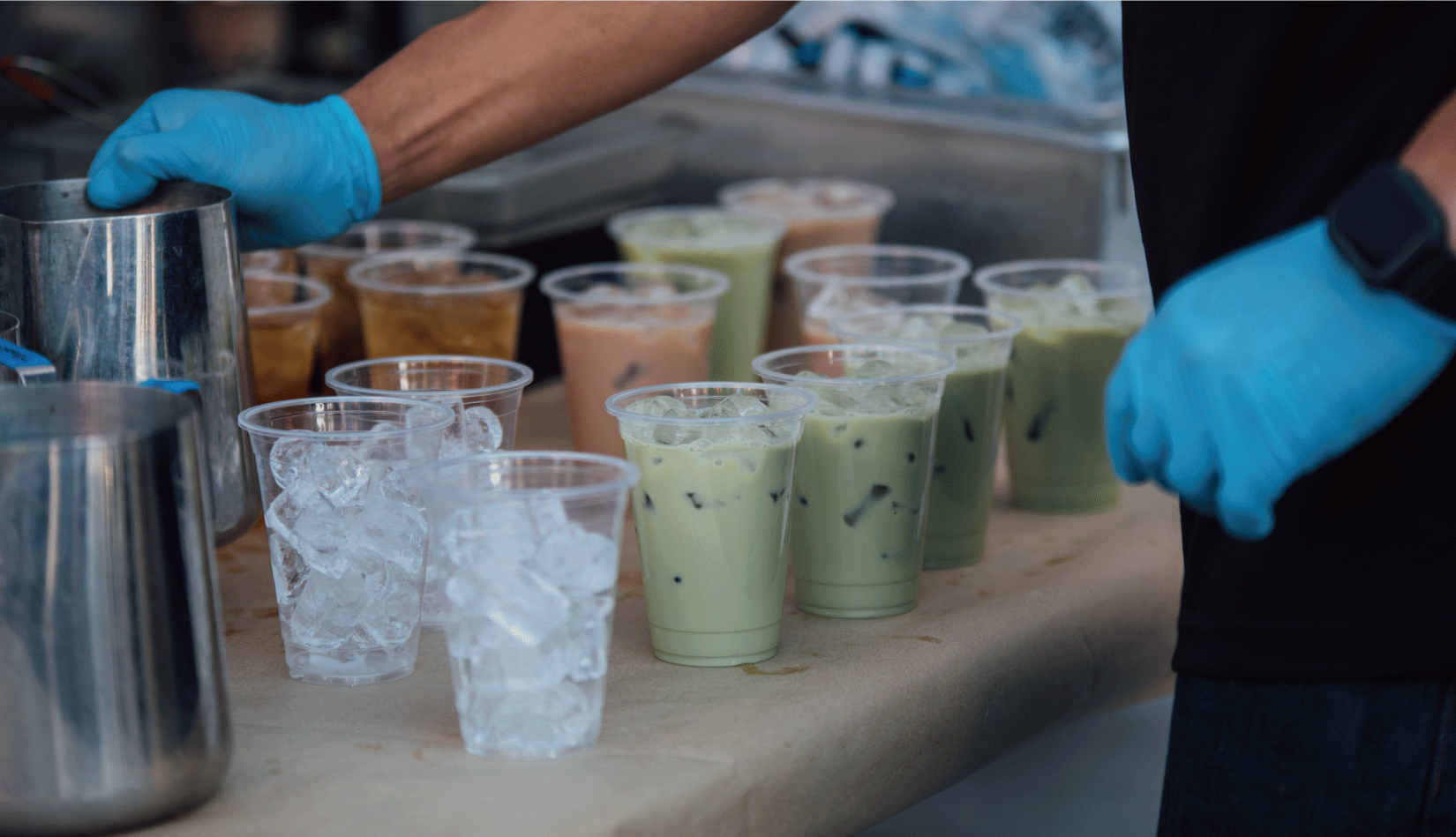
「タピオカの国、シンガポール」と言ったら違和感があるでしょうか?
実はいまシンガポールでは、タピオカ専門店が続々とオープンしており、空前のタピオカドリンクブームが巻き起こっています。
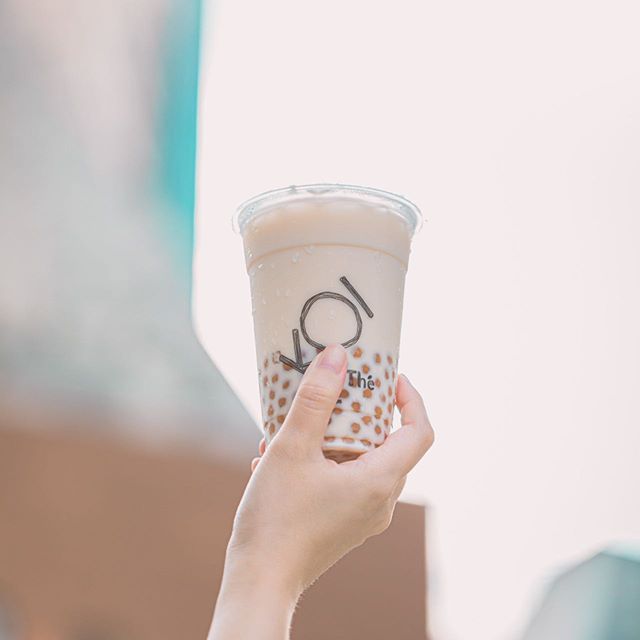
シンガポールでは定番ともいえる老舗の「KOI Thé」
KOI Thé, earliest bubble tea chains to arrive in Singapore
KOI Thé Instagram
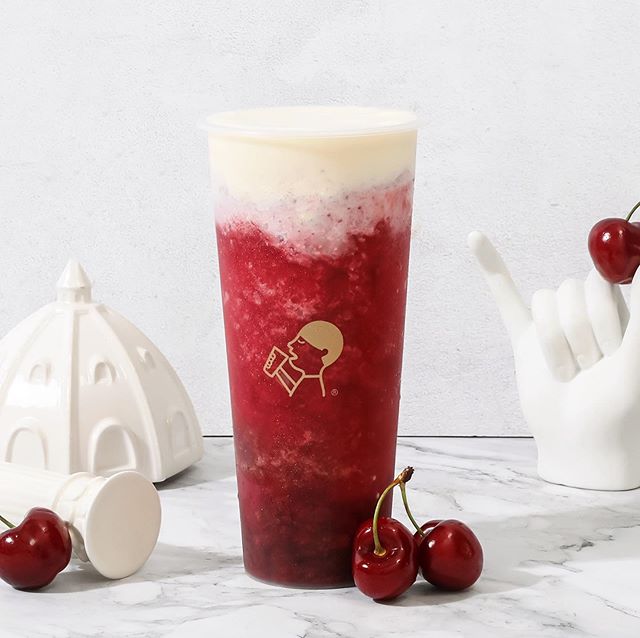
季節のドリンクや創意工夫が冴える商品が多い「HEYTEA」
HEYTEA, the original creator behind the iconic cheese tea
HEYTEA Instagram
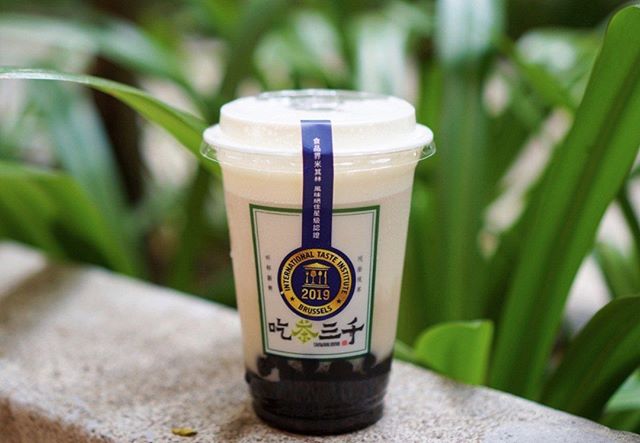
高品質の Dong Ding Oolong Milk Tea で有名な「ChiCha SanChen」
ChiCha SanChen, famous for the award winning Dong Ding Oolong Milk Tea
ChiCha SanChen Instagram
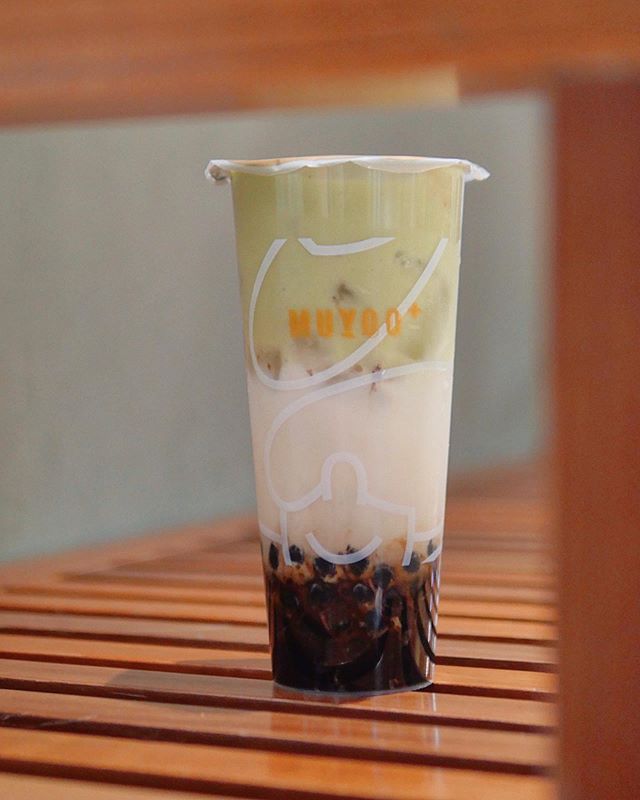
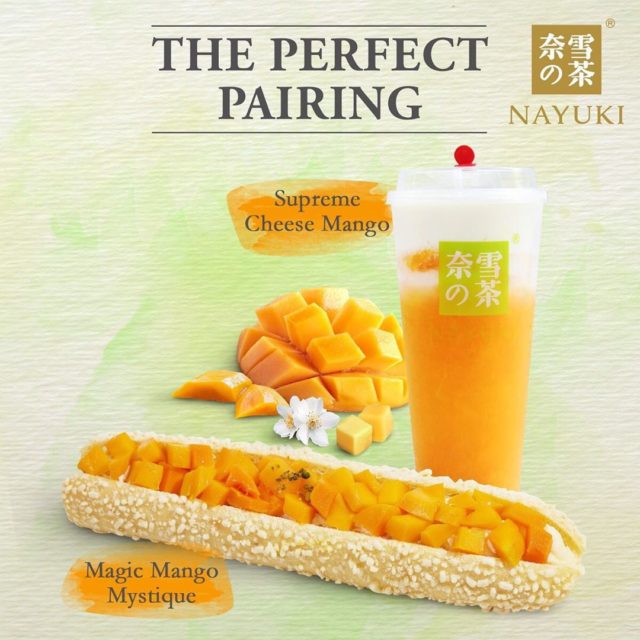
チーズドリンクが絶品の「MuYoo / Nayuki」
MuYoo / Nayuki, with excellent cheese teas and fruits related drinks
MuYoo Instagram
Nayuki Instagram
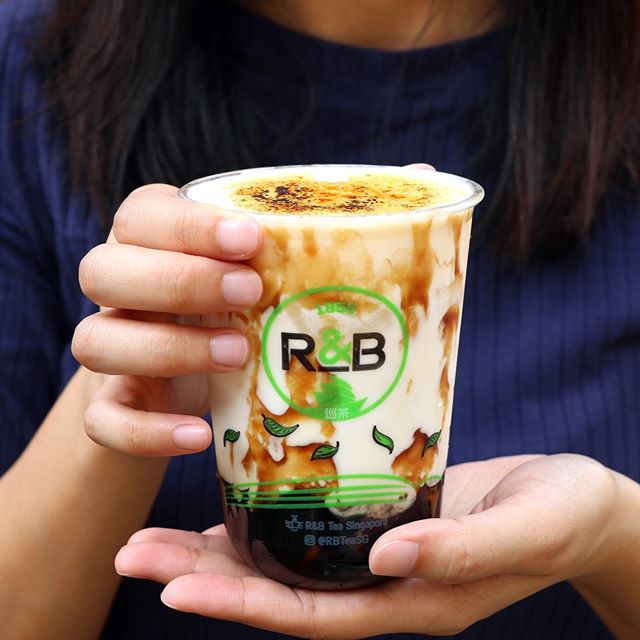
チーズブリュレを添えたブラウンシュガードリンクがおすすめな「R&B Tea」
R&B Tea, with outstanding ,brown sugar boba milk with cheese brulee
R&B Tea Instagram
たくさんのお店が、タピオカドリンク発祥の地・台湾からやってきた【最高のタピオカ専門店】と謳っているのですが、実際には商品のラインナップも提供の仕方もあまりにも多様なので、一概には「このブランドが最高!」とは言えないのが現状。
だからこそ、人それぞれの好みにあうタピオカ専門店があり、本場台湾にこだわらない様々な国の「タピオカ専門店」を楽しむことができます。
そんなタピオカドリンクですが、実はシンガポールではあまり真新しいものではありません。
昔から、庶民の生活の身近にあるものでした。
正確な資料がないので、あくまでシンガポールで生まれ育った自分の感覚なのですが、一般的に普及しはじめたのは、1990年代のことだったのではないかと思います。
当時、私はまだ幼子で、父に良くタピオカドリンクをおねだりでいたのを思い出します。
当然今のような凝ったトッピングも提供のされ方もなく、現在市場を盛り上げているような、海外の有名ブランドなどもありませんでした。
甘いシロップとミルクがタピオカにかかっているだけのお菓子で、価格は1ドル以下。
Many brands claim to the “Best Boba Tea” from Taiwan, but Boba Tea, as it is more commonly known nowadays, is so diverse in its offering that it is hard to say which is indeed best. We are spoilt for choices now with the many international brands at our doorsteps but without a doubt, everyone has their favourite go-to store when it comes to bubble tea.
No one knows exactly when bubble tea was first introduced in Singapore but from what I remember, it has been around as early as the 1990s. Therefore, Boba tea is not new in Singapore, in fact, it has somewhat always been around.
As a child in the 1990s, I remember begging my father for a cup of bubble tea and being able to drink one was the ultimate bliss back then. Flavours were less complex and brands were less well known, not the international brands that have saturated the market today. Each cup was really simple; flavoured syrup with milk and boba, and cost close to a dollar.
そんなタピオカが、どのようにして今、シンガポールで大旋風を巻き起こしているのか…。
今回のHARAPECO BLOGは特別版として、『シンガポールのタピオカ市場』に注目し、詳しくご紹介していきます!
To truly understand the Bubble Tea trend, it is important to go back in time to understand the market composition.
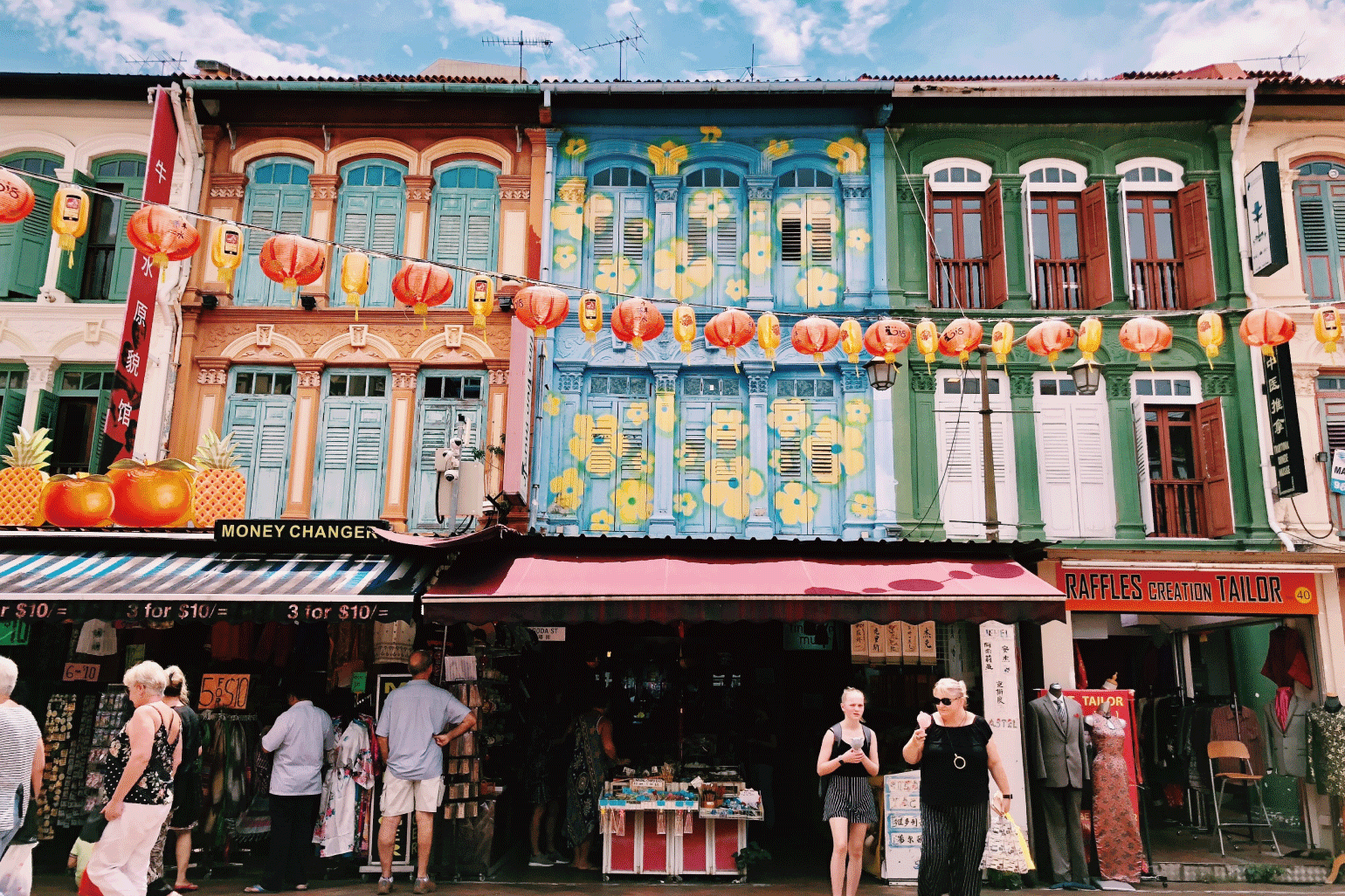
シンガポールにタピオカ専門チェーンが誕生/The birth of the chain stores
シンガポールのメディア「Mothership」の記事によると、最初にシンガポールにタピオカ専門店が登場したのは1992年。その後タピオカドリンクは人気を博し、シンガポール発祥ブランドが相次いで誕生しました。
90年代後半までは、海外ブランドと提携していない、どこにでもあるようなお店が主流で、近隣の一般市民が頻繁に立ち寄るような、お手頃価格の独立店舗が多かったようです。
そんなタピオカが人気になりはじめたのは、2000年代前半。
ホーカーセンターやショッピングモールなどに出店する店舗で、テイクアウトできるスタイルが多く、約5,000店舗ほどあったと考えられています。
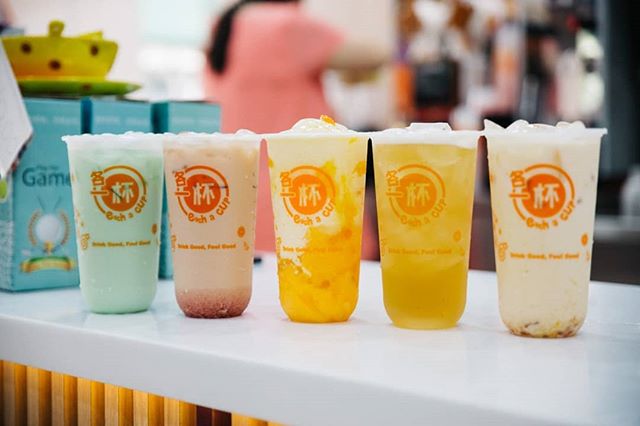
2002年にはその人気がピークに達しており、Cool StationやQuickly、SweetTalk、Each-a-Cupなどの大手タピオカ専門チェーン店が登場しはじめました。
アクセスしやすい立地にかなりの数のタピオカ専門店が立ち並ぶようになり、シンガポール在住の生活者にとって、タピオカドリンクへの親しみと愛着が生まれるようになりました。
しかし、2000年代後半にはすでに市場が飽和状態となり、たくさんのブランドが倒産。
市場に残った大手ブランドは、Each-a-Cupのみで、ローカルなショッピングモールなどにたくさんの店舗を構え、いまでも営業を続けています。
The first bubble tea shop sprung up in Singapore in 1992. Its popularity grew significantly and many local brands were started as a result. As mentioned, most bubble tea stores in the late 1990s were random neighbourhood shops with no affiliations to overseas brands. These were stand-alone shops often frequented by neighbourhood residents. Prices were considerably cheap. It took quite a while for bubble tea to become popular and in the early 2000s, there were an estimated 5,000 bubble tea shops, all over housing estates as well as hawker centres that sold takeaway style bubble tea. Popularity peaked in 2002, with major chains like Cool Station, Quickly, SweetTalk and Each-a-Cup. Due to the sheer amount of shops that easily accessible, this reinforced the locals’ familiarity and created a deep seated love for the drink.
However, in the late 2000s, the market reached saturation point and many shops across Singapore folded. Each-A-Cup was one of the few big brands that sustained their business and remained in the market throughout the years. Many of their shops are found in local shopping malls, which could explain its sustainability till today.
Each-a-Cup Singapore Instagram
下火の流行を再燃させた台湾発祥の2ブランド/Second wave of Bubble Tea
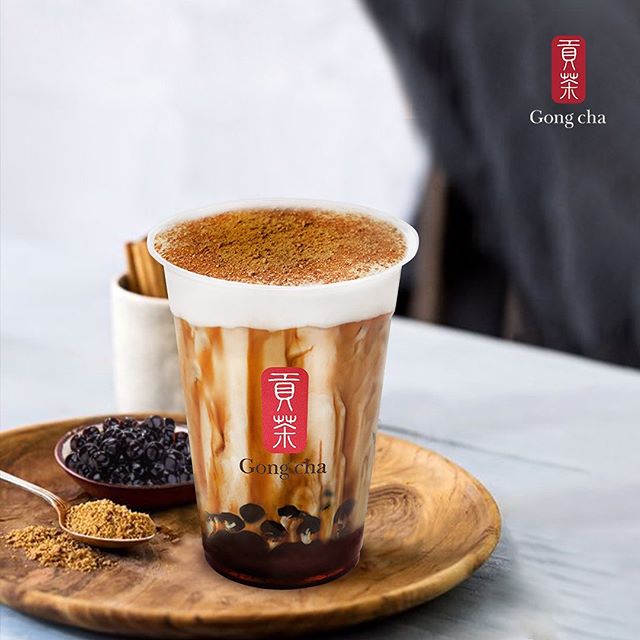
過ぎ去ったブームに再び火をつけたのは、台湾発祥の「KOI Thé」と「Gong Cha」。2007年と2009年に創業したこの2つのブランドは、これまでシンガポール市場にあったタピオカドリンクの概念を覆すような、質にこだわった商品展開をしました。
通常市場に出回っていたタピオカドリンクは、とても甘ったるくて、今現在よりも商品としての「質」は(様々な面において)低いものでした。
そのようななか登場した、台湾発祥の2ブランドによる「高品質のタピオカドリンク」…!
当時下火になりつつあったタピオカブームを再燃させ、現在につながる市場の盛り上がりを生み出しました。
The arrival of KOI The and Gong Cha in the late 2000s (2007 and 2009 respectively) reignited people’s love for the drink. Since bubble tea came from Taiwan, these 2 famous Taiwanese brands introduced “Quality” in every cup. Previously, the ones we have been familiar with were often overly sweetened drinks and quality is definitely not something synonymous with the drink. This was the first introduction of powerhouses that would remain till today. The second wave of the bubble tea boom has begun.
Gong Cha Instagram
なぜタピオカがシンガポールで人気を集めることができたのか?/Why has Bubble Tea succeeded?
なぜタピオカはシンガポール市場で再びブームとなり、ロングヒットを記録しているのでしょうか? 一度ブームが訪れて、過ぎ去り、また以前以上のブームが起きるという流れは、とても面白いことです。
私が考えた理由は5つ。ご紹介したいと思います!
It is an interesting point to note – how Bubble Tea has developed over the years. It came, went and came back even stronger.
時代とともに変化・多様化する販促方法に対応している
SNSを活用したPRや、ブランドへの親しみやすさの訴求方法、販売戦略などが益々多様化してきています。それはつまり、絶えず変化する市場において、日々学び挑戦できることがたくさんあるということ。シンガポール国内のタピオカドリンク専門店もまたしかり。時代の変化にあわせて日々新しいことに挑戦し、トライ&エラーを繰り返す企業努力が、昨今のタピオカブームを引き起こしたと考えられます。
Firstly I’d like to point out that you can see the changes in marketing strategies, the quick inclusion of social media, the impact of familiarity of brands, the various sales tactics. We can definitely glean some learning points from this ever-changing market. Same to each Bubble tea franchise in Singapore. This significant increasing number of Bubble tea lover is emerged because of each brand’s strategy and adoption to recent market trends.
ソーシャルメディアの活用と商品開発戦略が連動している
デジタル化が進む現代において、ソーシャルメディアが担う役割は特に重要です。自社の認知度を高めたり、単純に新しい流行を取り入れていることを発信したり、それぞれのタピオカ専門店ブランドが、趣向を凝らしてソーシャルメディアの運用を行っています。同時に、消費者側も「インスタ映え」を狙った消費傾向にあります。インスタ映えする見た目のタピオカドリンクは、それだけで価値のあるものとなりうる。この特徴を生かしてPRを行ってきたブランドが、ブームの火付け役となりました。
As we move into the digitalised age, social media has been a huge part in a company’s success and we see many stores undertaking their own form of social media to push for brand awareness or to simply ride the trend tide when a new trend (eg, brown sugar) is born. Recent trends for the instagrammable is also on the rise, with more focus on creating vibrant looks that fit the Instagram.
多様な消費者の好みに対応する商品が展開されている
「消費者主義」ともいえるような手法で商品提供がされていることも、ブームが継続している理由と考えられます。豊富な商品ラインナップをもつ店舗が立ち並び、フレーバー、複数のフレーバーのコンビネーション、トッピング、砂糖やアイスクリームの量などを、自分の好みにあわせてカスタマイズできるのです。
When considering why the fad never left, perhaps it has to do with consumer sovereignty. Consumers have the ability to customize their own cup. With the plethora of companies and brands with a myriad of offerings, you can further customize your cup by choosing from the flavours, combing them, adding toppings, choosing from the sugar levels and ice levels.
タピオカで育った世代がブームをけん引している
世代間のアイデンティティもまた、今日のタピオカブームには関係があるようです。
というのも、ホーカーセンターでKopi(シンガポール独特の甘いコーヒー)やお茶を飲むのは、比較的高齢者世代です。理由は簡単で、彼らは若いころからKopiを飲み、慣れ親しんだ味だから。
一方、タピオカドリンクはというと、これも同様の現象が起きていて、幼いころからタピオカに慣れ親しんだ(私のような)世代の「食文化」として消費されていると考えることができます。
2000年代後半に登場した、KOI Thé の店外には、よく放課後に立ち寄る学生たちの姿がありました。また同じ時期に登場した Gong Cha により、20~30代の世代でタピオカドリンクへの関心がピークを迎えました。
Perhaps it has to do with identity as well. We find the older generation sticking to their local kopi and teas at hawker centres. These are the drinks that they have grown up with and it is with no surprise that the current generation has grown to love bubble tea. This culture and identity has been ingrained and would be difficult to imagine society without it.
Many including myself have grown up drinking bubble tea and have developed a love-hate relationship with the various available brands. You can find long queues outside “KOI” during the after school hours and the entry of “Gong Cha” saw the nation’s interest in bubble tea peaking even more.
お手頃価格でだれでも手に取りやすい
シンガポールの生活者にとって手が出しやすい価格帯というのも、ロングヒットにつながっている重要な要素です。大概の場合、シンガポール特有のKopi(コーヒー)やお茶よりも値段は高いのですが、スターバックスで飲むコーヒーよりは安い。庶民的な飲み物として愛されています。
In addition, we must consider the price point that makes it a hit among locals. It is slightly more expensive than the average kopi/tea but also significantly cheaper than your cup of Starbucks, making it a rather attractive drink to purchase.
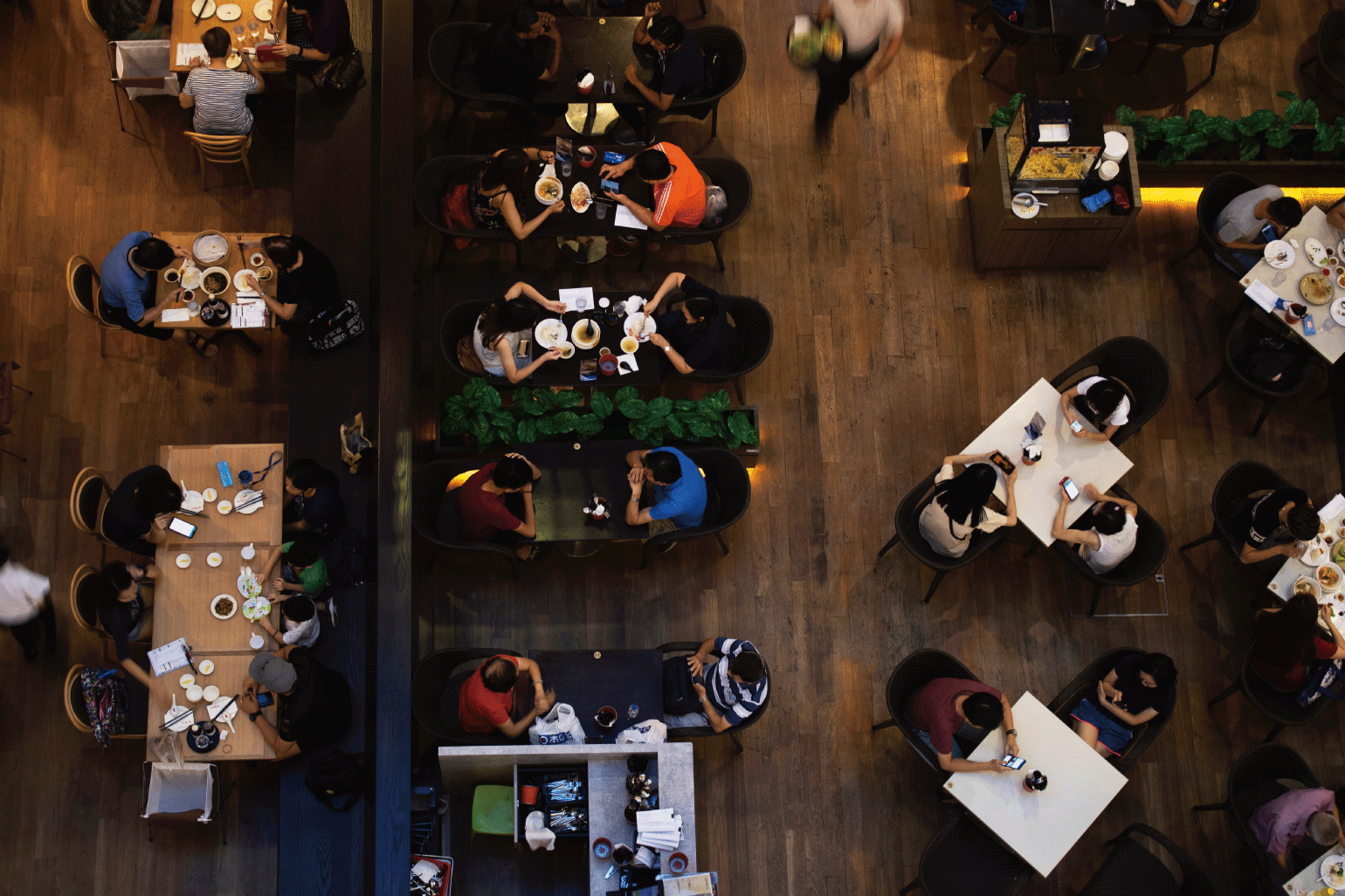
タピオカブームが向かう先は?/Is it just a fad? I doubt.
さて、このタピオカブーム、今後はどうなっていくのでしょうか?
かつてシンガポールで大旋風を巻き起こしたチーズタルトや、韓国のかき氷「ビンス」と同じように、市場が再び飽和状態になり、下火になることも考えられます。流行の移り変わりが特に激しいシンガポールですから、容易に想像がつくことです。
ですが、それらの一過性のブームに終わった商品と比べて、タピオカドリンクにはかなり革新的な側面があることを忘れてはなりません。変幻自在に消費者の好みにあわせることができたり、創意工夫を凝らした商品開発ができたり。「White Rabbit」という単一フレーバーでさえ、とてつもない流行を生みました。
また以前までと違って、主力なブランドが市場をけん引し、それぞれのブランドが独自のカラーやユニークな商品を持ち合わせていることも重要なポイントです。かつてのタピオカドリンク専門店はどこも似たり寄ったりの商品展開で、価格競争に陥っていました。現在はというと、展開するブランドが様々な独自のサービス提供を行っているだけでなく、マーケティング戦略も、商品の差別化も充実しています。
いつみても何かしらの「新しさ」を感じる。そんなタピオカを取り巻くシンガポール市場は、これからもしばらく変化を続け、盛り上がりを見せていきそう。
日本食ではないですが、食通の身として今後も目が離せません!
Will this bubble tea fad die off anytime soon? It would seem plausible, as with other fads, including cheese tarts and bingsu. The market could once again become saturated and the bubble could burst once again. Especially in Singapore, trends come and go too quickly.
In my view, it would be rather different for bubble tea. Bubble tea has always been on the innovative side. It itself is a highly customisable and creative product. A single flavour itself can become a trend (eg, we see the rise of the iconic “White Rabbit” flavour).
In addition, unlike in the past, the current market is thriving with best brands and each brand has created an image for their own and the products are quite unique. In the past, bubble tea was similar across the board and competed solely on price, resulting in its demise. Now, new entrants are focusing on delivering the best they have to offer, accompanied with good marketing strategies and product differentiation; consumers will always have something “new” to look forward to.
Crawling Japanese foods in SG/シンガポールの日本食紀行
Hi everyone, I’m Han Rui from Vivid Creations.
I have always been fascinated about the Japanese culture since young. And now, there are so many Japanese restaurants coming to Singapore, so that drove me crazy; almost all of Japaneses foods capture me so badly and I cannot resist myself to share my reviews for these!
So as a foodie in Singapore, let me start my colum: HARAPECO SINGAPORE (“harapeco” means “starving” in Japanese.)
For more information, click here and check my the HARAPECO BLOG Archive!
こんにちは、Vivid Creations の Han Rui です。
突然ですが、私は日本食が大大大好きです。
料理の質、種類の豊富さ、繊細な美しさ、食事が表現する美的感覚、料理に表現される季節感…
日本料理から感じられるものすべてに魅了され、シンガポールへ続々と進出してくる日本料理店の情報を常にチェックして、足を運んでいます。
Foodie【食通】、否、Japanese Foodie【日本食通】のシンガポ―リアン代表と(勝手に)銘打って、『シンガポールの日本食』に特化したブログ連載 HARAPECO SINGAPORE をはじめました!
シンガポールで流行っている日本料理屋さんの最新情報を、現地在住のシンガポ―リアン目線でお届けいたします。